Some things in the world are so difficult to find that possessing one can be considered a true rarity. Certain physical characteristics arise from genetic differences, while others reflect the way the body develops. Some may be visible, such as a hair or eye color; others may be less familiar, including differences in the number of fingers or toes. The examples below show how varied human traits can be, and how a characteristic that is unusual in the population may be an ordinary part of life for the person who has it.
Rarity does not necessarily mean that a trait is a medical problem. Some characteristics have little or no effect on a person’s health, while others may need medical attention depending on the individual circumstances. The frequency estimates presented here are approximate: prevalence can vary among populations and may depend on how a trait is defined or counted.
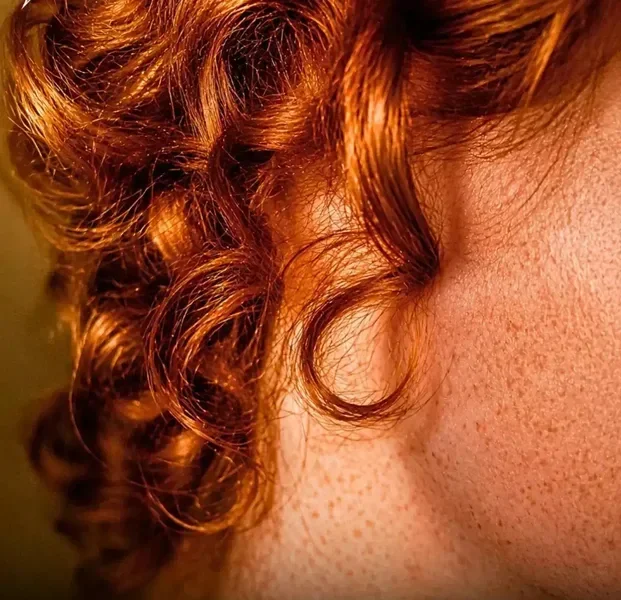
Red hair is one example of a relatively uncommon natural hair color. The gallery gives an estimate of about one person in 50. Hair color is influenced by inherited genetic factors that affect the pigments produced in hair. Red hair is associated with variations in genes involved in pigment production, including the balance between different types of melanin. The result can range from coppery or auburn shades to brighter red tones. As with other inherited traits, the exact appearance can vary among individuals and families.
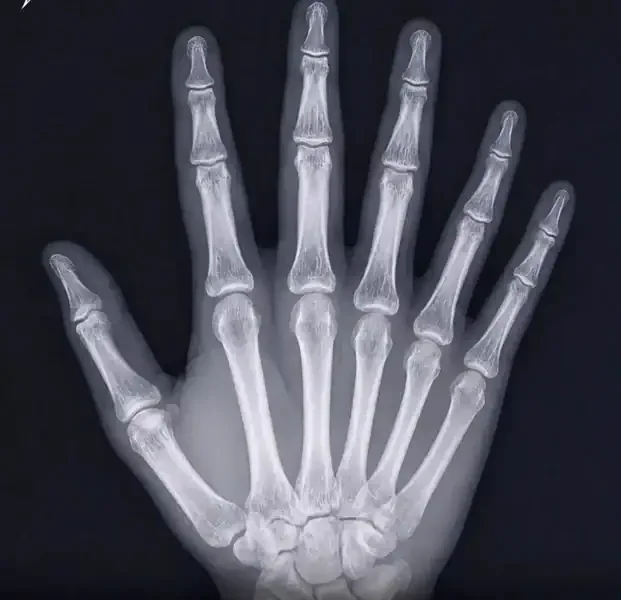
Polydactyly is the term for being born with an extra finger or toe. The gallery estimates that it occurs in about one person in 500. The extra digit may appear on a hand or foot, and its shape and development can vary. In some cases, it is small and attached by soft tissue; in others, it may be more fully formed. The condition can occur on its own or alongside other differences, so a medical assessment may help establish what is present in a particular case. When appropriate, an extra digit can be removed surgically, but the decision depends on its structure and the person’s needs. The estimate is a general figure, not a prediction of how a specific case will look or be treated.
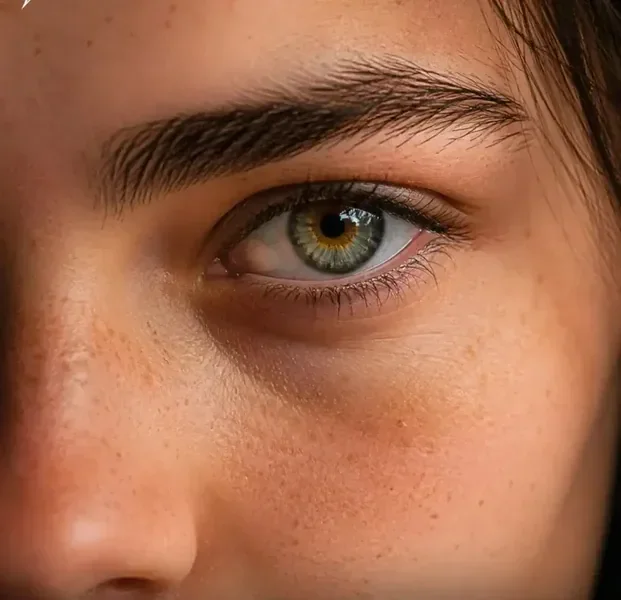
Green eyes are another relatively uncommon characteristic. The gallery estimates that they occur in about one person in 50 worldwide. Eye color is influenced by inherited factors and by the amount and distribution of melanin in the iris, the colored part of the eye. Green eyes are not produced by a single simple genetic switch; several factors contribute to the way light interacts with the iris and to the color that appears. As a result, eyes described as green may differ in shade and may also show variations in color from one part of the iris to another.
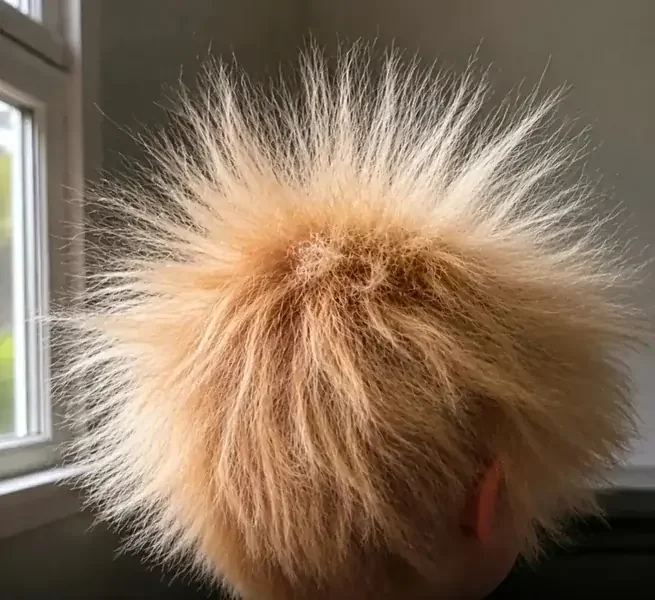
A much rarer hair characteristic is uncombable hair syndrome. The gallery gives an estimate of approximately one person in 10 million. The name refers to hair that is difficult to comb into place because of differences in the structure of the hair shafts. The strands may appear to stick out in several directions, giving the hair a distinctive texture and appearance. The condition is associated with genetic factors and is generally recognized by the unusual hair structure rather than simply by having thick, curly, or unruly hair. The gallery’s comparison to hair that seems impossible to comb is a description of its appearance, not a statement that every affected person has the same experience.
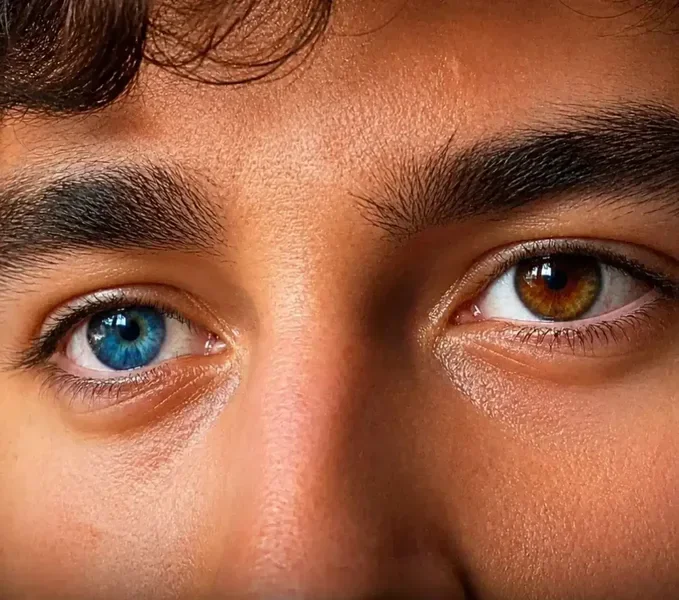
Heterochromia refers to a difference in color between a person’s eyes, or to distinct colors within one iris. The gallery estimates that it occurs in about one person in 100. The difference may be present from birth or arise later, and the visible pattern can vary. Some people have one iris that is a different color from the other; in other cases, one iris contains more than one shade. The term describes the color difference itself and does not, on its own, explain its cause. The appearance of heterochromia is therefore not identical in every person, and the estimate should be understood as an approximate frequency.
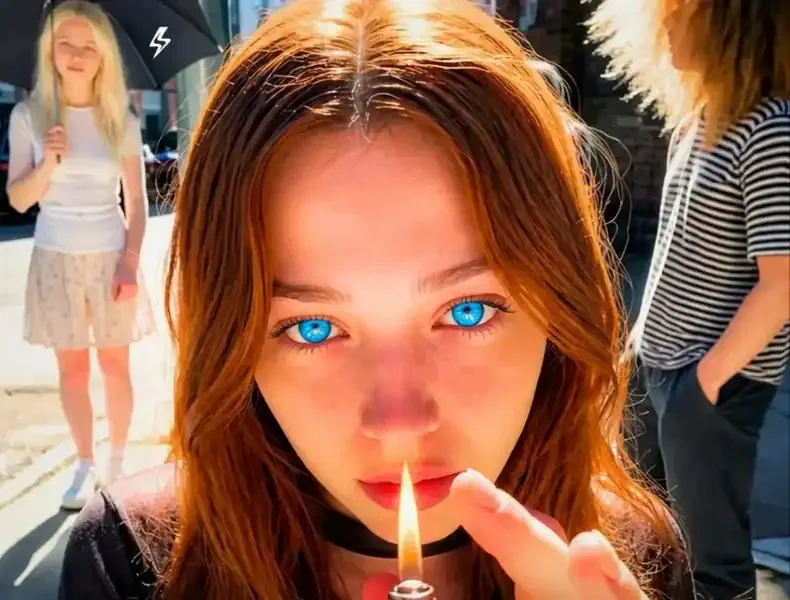
Blue eyes are also described in the gallery as relatively uncommon, with an estimate of about one person in 12. As with other eye colors, inherited factors contribute to the appearance of the iris. Blue eyes are associated with a low concentration of melanin in the iris; the perceived color also reflects how light interacts with the tissues of the eye. Eye color is not determined by a single factor, and families can include people with different eye colors. The estimate is a broad figure and does not mean that blue eyes occur at the same rate in every region or population.
Albinism is a genetic condition involving reduced or absent production of melanin, the pigment that contributes to the color of the skin, hair, and eyes. The gallery gives an estimate of about one case in 17,000 people. Albinism includes different forms, and the amount of pigment can vary. Its effects are not limited to outward appearance: some people with albinism also have vision differences because melanin plays a role in the development and function of the eyes. The condition is inherited, but the specific pattern depends on the form of albinism. A general estimate cannot describe every individual’s health or appearance.
These examples also illustrate why rarity can be difficult to measure. Estimates depend on which populations are counted, how researchers define a characteristic, and whether records capture every case. A statistic such as “one in 50” is a way to communicate an approximate frequency, not a guarantee that the trait will appear at a uniform rate in every group. Some characteristics are easier to identify than others, and some may be recorded differently across studies.
A rare physical characteristic is not the same thing as a valuable object or a possession that can be collected. These traits are part of natural human variation, and they cannot be acquired by choice. Their rarity may make them interesting to learn about, but frequency alone does not determine a person’s identity, health, or worth. The examples—from naturally red hair and green eyes to polydactyly, heterochromia, uncombable hair syndrome, blue eyes, and albinism—show that human appearance and development can take many forms. A feature may be uncommon across a population while remaining a familiar, everyday part of life for the person who has it.