
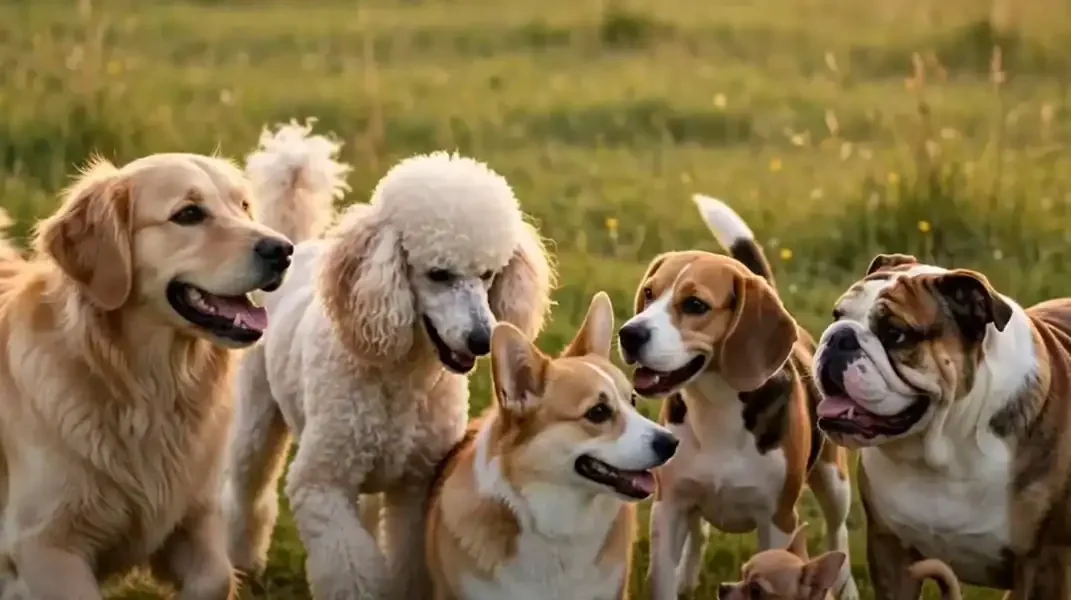
Dogs are widely known as companions, but many breeds were developed for work that had little to do with simply living alongside people. Their physical traits and behavior often reflect tasks performed by their ancestors, from retrieving birds and guiding livestock to guarding property and pursuing animals that hid underground. The history of these breeds shows how people selected dogs over generations to meet particular needs.
The domestication of dogs has long been connected to practical activities. People relied on dogs with qualities suited to hunting, protection, herding, tracking, and carrying out other jobs. Speed and stamina could be useful for dogs accompanying hunters, while strength and a willingness to guard could be valued in animals responsible for protecting a home, property, or herd. Dogs were also developed to find prey, follow scents, or help move goods.
Over time, selective breeding helped strengthen traits considered useful for each task. Body shape, leg size, muzzle structure, physical endurance, and behavior could all influence a dog’s ability to perform particular work. As a result, breeds that today may primarily be household companions can still display instincts associated with the work their ancestors did. The original purpose of a breed does not determine what every individual dog will do, but it provides context for understanding why certain traits became associated with that breed.
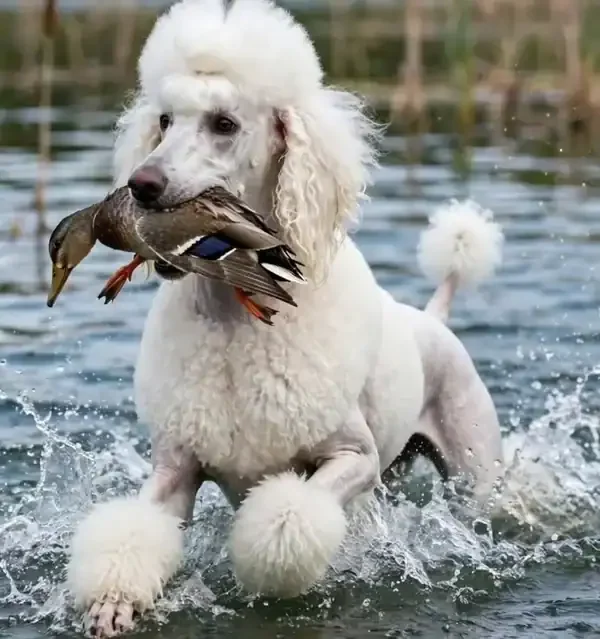
The poodle, for example, is often associated today with companionship and appearance. Its history, however, includes work as a water-hunting dog developed in Germany. Poodles were used to retrieve ducks and other birds that had been shot. The breed’s familiar coat trim also had a practical purpose: leaving protection around the joints helped shield them from cold water. That history connects the poodle’s appearance with the conditions in which it worked, rather than treating its coat only as a decorative feature.
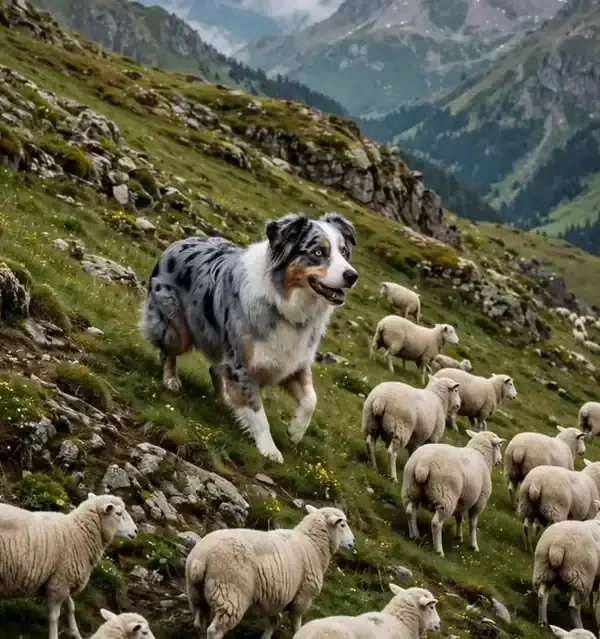
The Australian shepherd has a name that can be misleading about its origins. Despite the name, the breed was developed in the United States. Its work involved guiding livestock over long distances and across rough terrain. Intelligence, energy, and willingness to work helped make it a capable herding dog. Those qualities are part of the breed’s history as a working animal, even though many Australian shepherds today live as companions rather than spending their days moving livestock.
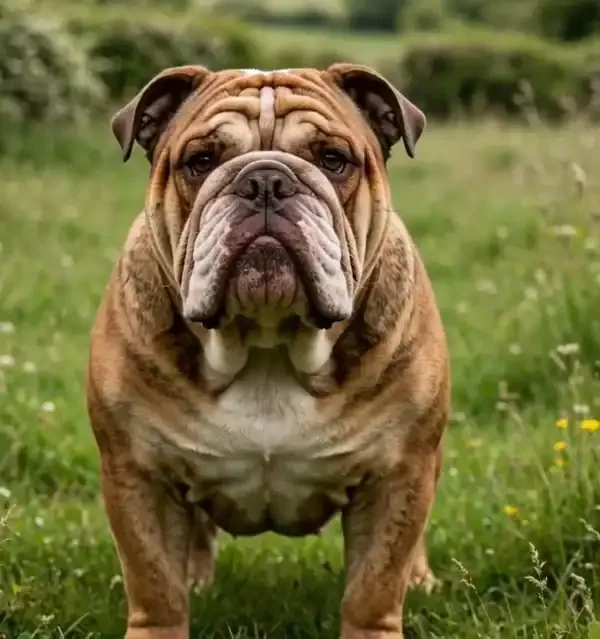
The English bulldog’s past differs sharply from the gentle image often associated with the breed now. In England, bulldogs were used in bull-baiting, a violent practice that was prohibited in 1835. After the ban, selection of the breed began to favor a calmer temperament. The change illustrates how a breed’s role and the traits people sought in it could shift over time. The modern image of the English bulldog reflects a different context from the one in which the dogs were once used.
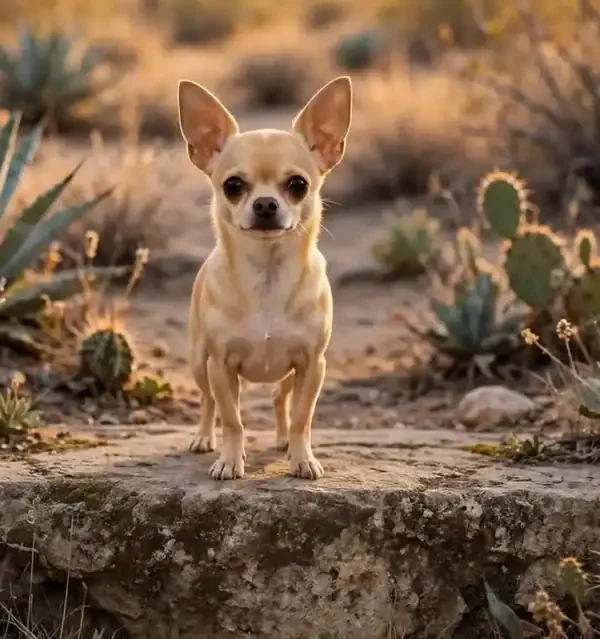
The Chihuahua is considered the world’s smallest dog breed and originated in Mexico. Its history is linked to ancient companion dogs in the region. Although small in size, the Chihuahua is known for a strong personality and courageous behavior. Its background as a companion breed contrasts with the working roles of dogs bred to herd livestock, retrieve game, or guard property. Size alone does not describe a dog’s character, and the Chihuahua’s reputation demonstrates that a very small breed can still be associated with bold behavior.
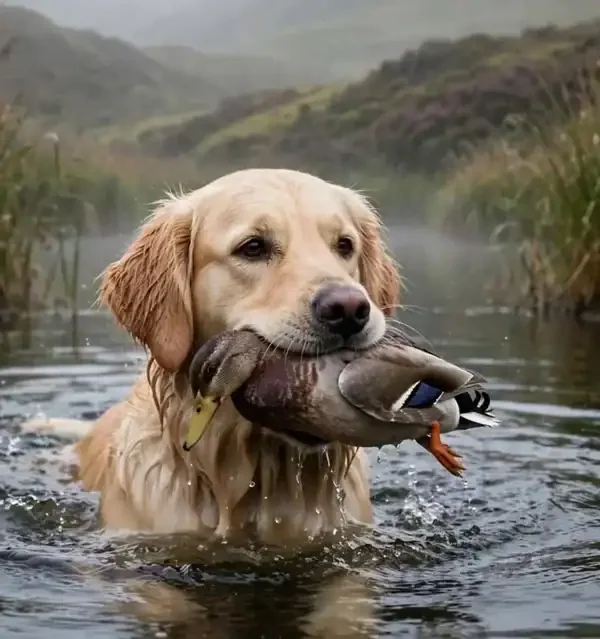
The golden retriever was developed in Scotland to help hunters recover birds they had shot, particularly around lakes and in cold water. Its dense, water-resistant coat and gentle bite were useful for that work. Retrieving requires a dog to bring an item back without damaging it, so a controlled grip was important. The breed’s history is another example of how a combination of physical characteristics and behavior could make a dog suited to a specific job.
The Rottweiler, a German breed, originally helped drive cattle to market and protect property. Butchers in the city of Rottweil also used the dogs to carry money securely, attaching bags around their necks. The breed’s historical tasks therefore included both managing livestock and guarding valuables. These uses show that working dogs could support people in several ways, depending on the needs of a community and the qualities of the animals.
The Jack Russell terrier was developed in England for hunting foxes and other animals that hid in burrows. The small dog was created by the Reverend John Russell and is known for courage, energy, and a willingness to work. Its history helps explain the importance of size and determination for a dog expected to pursue animals in confined spaces. A breed’s working background can be quite different from the routine of a pet living indoors, even when some of the same behavioral tendencies remain noticeable.
These examples also show that the phrase “working dog” covers a range of tasks. A retriever’s work involves locating and bringing back game; a herding dog guides livestock; a terrier pursues animals into hiding places; and a guard dog protects property. The requirements are not interchangeable. Breeding for one role could emphasize different combinations of physical ability and behavior from those valued for another.
Today, many dogs serve roles that were not central to the original development of their breeds. They may live as family companions, while some continue to work in herding, assistance, security, search and rescue, or other activities. Their varied present-day lives do not erase their histories, but they do show that a breed’s original purpose is only one part of how dogs are now understood and cared for.
Learning about these origins offers context for the differences among breeds. It can help explain why some dogs are energetic, why others are inclined to retrieve or herd, and why physical features may have developed in relation to particular working conditions. It does not mean that every dog will behave in the same way, or that a breed’s past predicts an individual animal’s actions. Rather, each history describes the kinds of traits people valued when dogs were selected for particular jobs.
From water hunting and livestock work to guarding, carrying money, and pursuing animals underground, these breeds have histories shaped by human needs. Their roles changed as circumstances changed, and some of the dogs once bred for demanding work became familiar household companions. Looking at those origins makes clear that the dogs people know today are connected to generations of purposeful selection and close relationships between humans and animals.